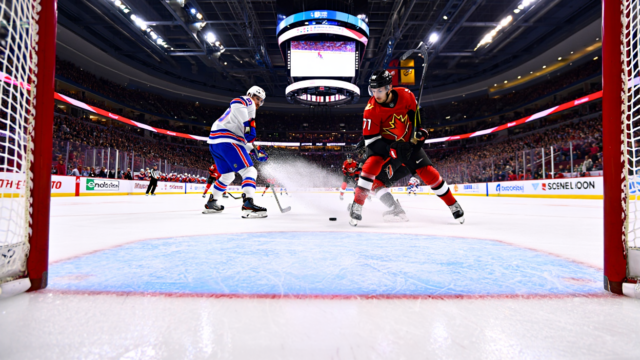
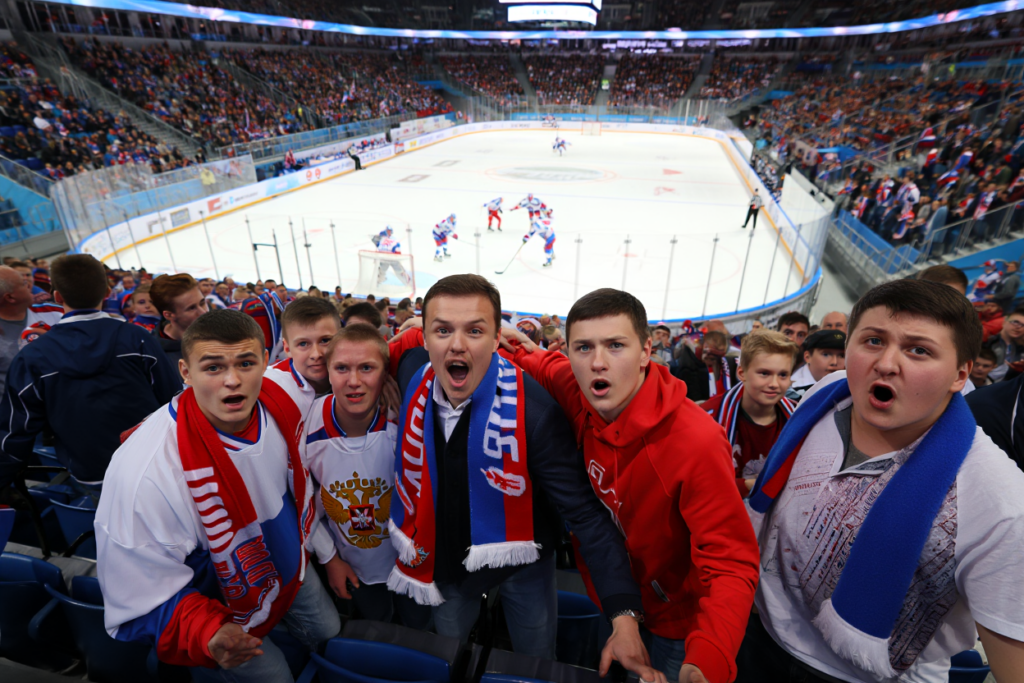
The Ice Hockey World Championship offers Canadian bettors numerous opportunities across different betting markets. Whether you’re wagering on your national team or analyzing matchups between elite squads, understanding the current odds and competitive landscape is essential for making informed decisions.
Understanding Current Championship Favorites
Canada enters the tournament as a clear Group B favorite, consistently positioned ahead of strong contenders like the Czech Republic and Sweden. The Canadian squad brings consistent depth and experience to the ice, making them a popular choice among bettors who prefer backing traditional powerhouses.
The overall tournament favorites extend beyond Canada. Sweden, USA, Switzerland, and Finland round out the top tier of competitors. Each country brings distinct strengths: the Swedes excel in systematic defensive play, the Americans compete with aggressive forward pressure, and the Swiss and Finns bring tactical sophistication. When you bet on the Ice Hockey World Championship today, these dynamics shape the odds you’ll encounter across sportsbooks.
Identifying Value in Group Matchups
Group stage betting presents different dynamics than knockout rounds. Individual game outcomes matter less in isolation and more as part of a team’s path through their bracket. USA operates as the Group A favorite, with Finland and Switzerland providing serious competition. In Group B, beyond Canada’s dominance, teams like the Czech Republic and Sweden create interesting secondary markets.
The gap between favorites and challengers varies significantly. Some matchups feature relatively tight odds that don’t reflect true competitive balance, while others show clear market consensus around stronger teams. Analyzing recent head-to-head records and current roster compositions helps identify where sportsbooks may have mispriced particular games.
Betting Markets Worth Exploring
Point spreads and goal totals form the backbone of hockey betting. Handicap betting, marked as favorable odds ranging from 1.75 to 1.80 for stronger teams in balanced matchups, allows you to back favorites at reduced risk. Total goals markets fluctuate based on team defensive styles and goaltender quality, with some matchups consistently producing high-scoring affairs while others lean toward tight, defensive contests.
When selecting a legal bookmaker to bet on hockey world championship matches, Canadian bettors should prioritize licensed operators that offer competitive margins and straightforward promotion terms. Reputable sportsbooks provide transparent odds, clear payout structures, and reliable customer support. Beginners often benefit from simple freebet offers with minimal rollover requirements, while experienced bettors can exploit insurance promotions or early payout features that suit their betting patterns.
Analyzing Team Form and Head-to-Head Records
Recent performance matters significantly in championship betting. Teams entering the tournament with strong momentum in exhibition or qualifying matches typically carry that confidence into group play. Conversely, squads that struggled in lead-up competitions may face longer odds even if their historical records against specific opponents suggest competitiveness.
Head-to-head records over recent years provide concrete data for prediction. If Canada has dominated a particular opponent across multiple meetings, that historical advantage should factor into your assessment-though it’s never absolute. Tournament play sometimes produces upsets when fresh rosters, different coaching strategies, or unexpected goaltender performances shift outcomes away from historical patterns.
Key Statistical Indicators
Goal differential in recent matches reveals offensive firepower and defensive vulnerability. Teams consistently outscoring opponents by two or more goals per game operate from a position of strength, while squads struggling to maintain positive goal differentials face pressure despite their historical status. Save percentages among starting goaltenders tell whether a team’s defensive success stems from brilliant goaltending or superior team defense.
Penalty kill and power play effectiveness separate elite programs from middling competitors. Championship hockey rewards discipline and special teams execution. Teams converting 25 percent or more of power play opportunities possess dangerous offensive advantages, while those maintaining penalty kill rates above 85 percent limit opponents’ scoring chances from position advantage. These metrics shift based on individual tournament matchups, as different opponents present different challenges and opportunities.
Strategic Betting Approaches
Moneyline bets work best when market consensus overvalues obvious favorites. If Canada trades at -150 but their Group B opponents create consistent offensive pressure, the implied probability built into those odds may not reflect true competitive balance. Finding situations where public betting money overweights favorites creates value opportunities in secondary markets.
Total goals bets require attention to goaltender matchups and recent scoring trends. Championship tournaments sometimes produce lower-scoring games than regular season play due to heightened defensive structure and neutral-ice engagement. Conversely, teams seeking early tournament momentum may employ aggressive forward systems that push totals higher.
Bankroll Management for Tournament Betting
Tournament hockey presents compressed scheduling with multiple games daily. This density tempts bettors to chase losses or overtrade their bankroll. Disciplined bettors allocate fixed percentages of their playing capital to each decision, regardless of confidence level. Even strong conviction plays should represent only 2-5 percent of total available funds to weather inevitable variance.
The championship format itself suggests cautious position sizing early. Group stage results determine knockout seeding, so while individual games matter, no single match determines tournament destiny. Teams advance even with losses if they accumulate enough points, reducing the volatility inherent in single-elimination play.
Comparing Operator Offerings
Different Canadian-licensed sportsbooks emphasize different sports and leagues. Some maintain stronger hockey markets with tighter spreads and deeper options, while others focus primarily on football or basketball. Checking whether your preferred operator offers comprehensive Ice Hockey World Championship coverage before committing funds prevents frustration when you find limited betting options at critical moments.
Promotional calendars vary across operators. Some run limited-time bonuses tied specifically to international tournaments, while others maintain consistent offers year-round. Reading promotion terms carefully ensures you understand withdrawal requirements, bet type restrictions, and expiration windows before assuming promotional funds represent genuine value.
Live Betting During Championship Play
In-game wagering transforms how engaged bettors approach championship hockey. Teams falling behind often increase desperation, leading to more penalties and power play opportunities. This shift creates distinct live betting angles unavailable at opening odds, particularly when early tournament performance suggests a squad plays better from deficit or gains confidence after scoring first.
Live goal totals tighten considerably after early scoring, as bettors reassess likely final tallies based on current pace and remaining time. Setting alerts before games and positioning through live betting allows you to capture better odds than static pregame lines offer, particularly in lopsided matchups where opening spreads already baked in likely outcomes.
Canadian bettors approaching the Ice Hockey World Championship benefit from treating these tournaments as analytical exercises rather than emotional team support. The discipline to research opponent matchups, understand market inefficiencies, and maintain consistent sizing produces superior results across tournament play versus casual wagering on familiar teams.