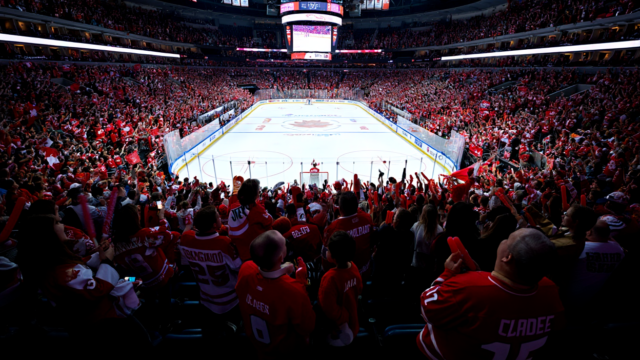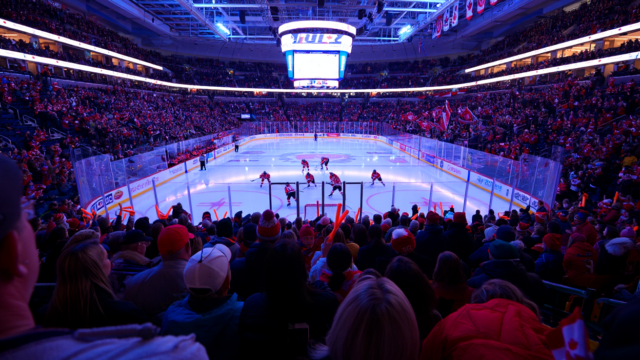
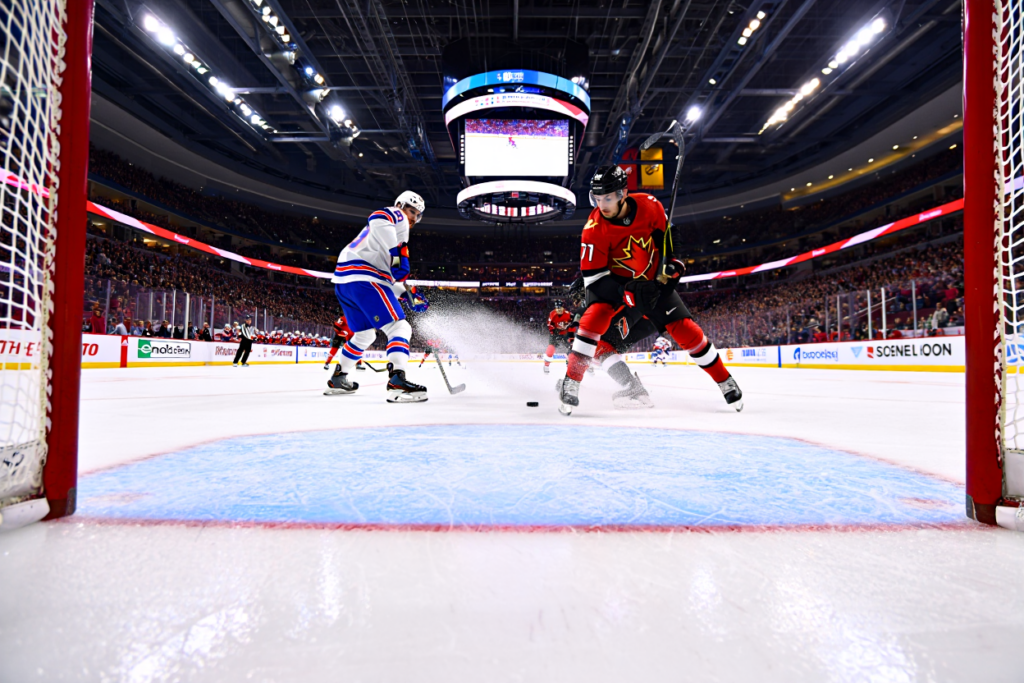
Hockey betting in Canada operates through a mix of legal provincial lotteries and regulated online sportsbooks licensed by provincial gambling authorities. The Canadian market differs significantly from unregulated offshore sites, offering consumer protections, responsible gambling tools, and tax compliance. When you place a wager on hockey, you’re entering an agreement with a licensed operator who must maintain liquidity reserves and operate transparently under provincial oversight.
The fundamental types of hockey bets include moneyline wagers, where you pick the winner outright; point spreads, which adjust odds based on expected performance difference; and totals (over/under), predicting combined goals scored by both teams. Parlay bets combine multiple selections into a single wager with compounded odds. Props cover specific events within a game, such as which player scores first or total penalty minutes.
Canadian Hockey Leagues and Betting Markets
The National Hockey League dominates Canadian sportsbooks with 82 games per regular season team plus playoffs. Average NHL games produce 5.5 to 6 goals, creating dynamic scoring environments that attract frequent betting action. The league’s global broadcasting means games occur at various times throughout the day, though many fixtures start in the evening Eastern time, affecting when Canadian bettors can place in-play wagers.
The AHL (American Hockey League) operates as the primary professional development circuit with 32 teams across North America. Games here feature slightly lower scoring than the NHL but benefit from deep statistical information and consistent daily schedules. Provincial hockey leagues like the OHL, WHL, and QMJHL attract significant regional betting interest, particularly during playoff seasons when hometown rivalries intensify.
International competitions such as the World Junior Championship and Olympic hockey tournaments create predictable betting spikes in December and February. These events draw casual bettors who don’t follow regular season coverage, meaning oddsmakers sometimes adjust lines more conservatively to manage liability.
Selecting a Licensed Sportsbook in Canada
Each Canadian province regulates sports betting independently, so your options depend on your location. Ontario residents can access PlayOLG and private operators like DraftKings and BetMGM through the Ontario Lottery and Gaming Commission’s licensing system. British Columbia uses the British Columbia Lottery Corporation’s sports betting platform. Quebec operates through Mise-o-jeu and licensed private operators. Alberta and Manitoba have their own Crown corporations managing wagers.
Legitimate operators display their license number prominently, maintain customer service teams reachable by phone and email, and offer responsible gambling features including deposit limits, self-exclusion periods, and betting history access. Reputable sportsbooks also employ geolocation verification to prevent wagers from prohibited jurisdictions and require identity verification before payouts.
Compare operators on their NHL coverage, in-play betting availability, mobile app functionality, and promotional offerings. Some books emphasize live betting on hockey due to the sport’s fast pace creating frequent scoring opportunities. Others focus on pre-game lines with sharper odds for serious bettors. Sign-up bonuses vary, though responsible operators typically cap welcome offers at reasonable amounts rather than extraordinary promises.
Pre-Game Betting Strategy for Hockey
Analyze team offensive and defensive metrics over recent 10-game windows rather than season-long averages, since roster composition and strategy evolve through the season. Special teams efficiency, measured by power-play success rate and penalty kill percentage, carries outsized importance in hockey because a single advantage-play goal often decides close contests.
Injury information affects hockey odds more dramatically than many realize. Loss of a team’s primary scorer can shift moneyline odds by two to three percentage points. Backup goaltender usage creates opportunities when sportsbooks haven’t fully adjusted pricing. Travel schedules matter significantly; teams playing their third game in four nights perform measurably worse on the road.
Home ice advantage in hockey historically produces a 54-55% win rate across NHL seasons. This edge persists because rink familiarity helps, crowd noise affects visiting teams’ communication, and scheduling often allows home teams more rest days.
In-Play and Live Betting on Hockey
Hockey’s continuous action and frequent scoring changes create exceptional conditions for live betting. Moneyline odds shift dramatically after each goal, and the spread adjusts in real time. Some sportsbooks offer proposition bets that appear only during broadcasts, such as “next goal scorer” or “goals in next five minutes.”
The advantage of live betting derives from human perception lag. When one team scores, casual bettors react emotionally, pushing odds against the leading team even when skill metrics suggest they remain favored. Experienced bettors exploit these inefficiencies by betting underdogs after they fall behind, seeking value in overcorrected lines.
Penalty-taking patterns become visible during games, informing live totals bets. If a team draws frequent penalties in the first period, the probability of additional power-play goals increases, affecting second or third period totals. Weather at outdoor games like the Winter Classic affects puck movement and shooting accuracy, creating live betting opportunities as conditions develop.
Understanding Hockey Betting Odds and Payouts
Canadian sportsbooks display odds in decimal, fractional, or moneyline formats depending on operator preference. Decimal odds of 2.50 mean a $100 bet returns $250 total ($150 profit). Fractional odds of 3/2 indicate $100 produces $150 profit. Moneyline odds of -110 mean you wager $110 to profit $100, while +110 means $100 wagers generate $110 profit.
Implied probability converts odds into win likelihood. Odds of -110 represent 52.4% implied probability, including the sportsbook’s margin (also called vig or juice). Bettors seeking value compare this implied probability against their personal estimation of true probability. If you believe a team has a 55% chance to win, but the line shows only 52% implied probability, that bet carries positive expected value over many repetitions.
Hockey totals pricing typically includes wider margins than moneyline bets. A total of 6.0 goals might display as -110 on both over and under, but frequently the book increases one side’s vig, revealing their directional preference based on betting volume.
Bankroll Management and Responsible Betting
Successful hockey bettors treat their wagers as a portfolio requiring size management. The Kelly Criterion, a mathematical formula, recommends staking a percentage of bankroll equal to your edge divided by the odds. For most recreational bettors, a simpler approach works better: limit each individual bet to 1-3% of total bankroll.
Variance affects hockey betting more than some sports because low-scoring sports contain more randomness. A single goal difference determines most games, and special teams plays generate unpredictable outcomes. Expecting 55% win rates means enduring stretches of losses requiring emotional discipline. Bankroll sizing prevents tilt-driven decisions that accelerate losses.
Set loss limits before betting sessions and honor them. The Canada Gambling Helpline (1-800-668-8448) provides free, confidential support for problem gambling. Licensed sportsbooks offer deposit limits, time-out features, and self-exclusion programs. Using these tools isn’t weakness; it’s professional money management.
Common Beginner Mistakes in Hockey Betting
New bettors overvalue recent performance. A team winning three straight games might face superior competition or receive favorable scheduling, yet casual bettors chase those wins by overbetting them. Conversely, regression to the mean means exceptional performances rarely sustain.
Betting favorites consistently drains bankrolls because sportsbooks price consensus picks conservatively. A -150 moneyline favorite requires 60% win rate just to break even. Bettors chasing home runs through parlays or exotic props face house edges exceeding 5-7%, making long-term success nearly impossible. Focusing on moneyline bets where you hold genuine edge, even at -105 odds, generates better results.
Ignoring game context leads to poor decisions. Back-to-back games stress physical conditioning. Teams visiting after long road stretches perform worse. Playoff hockey differs fundamentally from regular season because roster utilization changes and teams deploy aggressive defensive tactics. Applying regular season strategies to playoff betting produces losses.
Betting emotionally on favorite teams invites losses. Hometown bias inflates your confidence in familiar players. Recreational bettors frequently overestimate their home team’s true strength, then experience painful defeats at unfavorable odds.
Tracking Your Bets and Improving Results
Maintain detailed records of every wager including date, sport, bet type, odds, amount staked, and result. Calculate your win percentage and ROI (return on investment). If you’ve wagered $1,000 across 100 bets and returned $950, your ROI is -5%. This metric, tracked monthly and seasonally, reveals whether you’re beating the house margin.
Analyze your betting patterns to identify strengths and weaknesses. Perhaps your moneyline picks on divisional matchups outperform your totals betting. Maybe your performance declines on back-to-back game nights. This feedback guides where to concentrate effort and which markets to avoid.
Compare your projected lines against sportsbook lines to calibrate estimation accuracy. If you consistently undervalue playoff favorites, or overvalue visiting teams, adjust your processes accordingly.
Promotions and Bonuses for Hockey Bettors
Licensed Canadian sportsbooks periodically offer enhanced odds on hockey games, free bet promotions, and loyalty programs. These promotions carry terms limiting their value. A free bet credited after a losing wager frequently requires wagering it multiple times before withdrawal. Enhanced odds promotions apply only to specific bet types or leagues.
Read promotion terms thoroughly before accepting bonuses. A $50 free bet with a 15x rollover requirement means you must stake $750 before withdrawing profits. This requirement favors the sportsbook by forcing continued play even when expected value disappears.
Loyalty programs reward consistent play through points accumulating toward free bets or merchandise. These programs carry genuine value if you’re already planning to wager regularly, but they shouldn’t drive you to bet more frequently than your strategy recommends.
Staying Legal and Safe
Verify that any sportsbook you use holds a valid provincial license by checking regulatory websites. Ontario residents should confirm operators appear on the AGCO (Alcohol and Gaming Commission of Ontario) approved list. British Columbia bettors verify through PlayNow.com legitimacy or BCLC-licensed partners. Quebec residents check Autorité des jeux du Québec records.
Never wager through unlicensed offshore sites. These operators face no regulatory oversight, meaning they can adjust odds arbitrarily, delay or refuse payouts, and sell your personal information. Provincial regulators cannot help if disputes arise with offshore books.
Canadian law permits individuals to place wagers through licensed operators but prohibits unlicensed operations. Using legitimate sportsbooks protects you legally and financially. Most importantly, licensed operators contribute to problem gambling prevention through mandatory responsible gambling tools and public education funding.