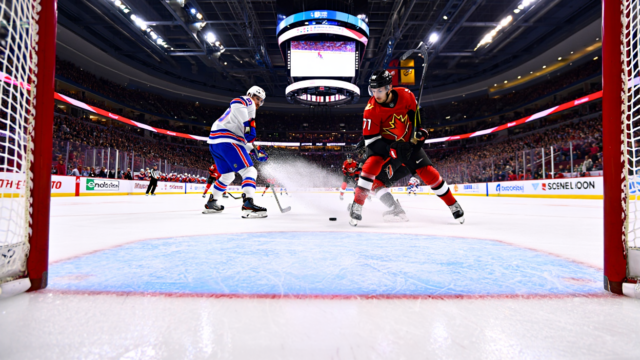
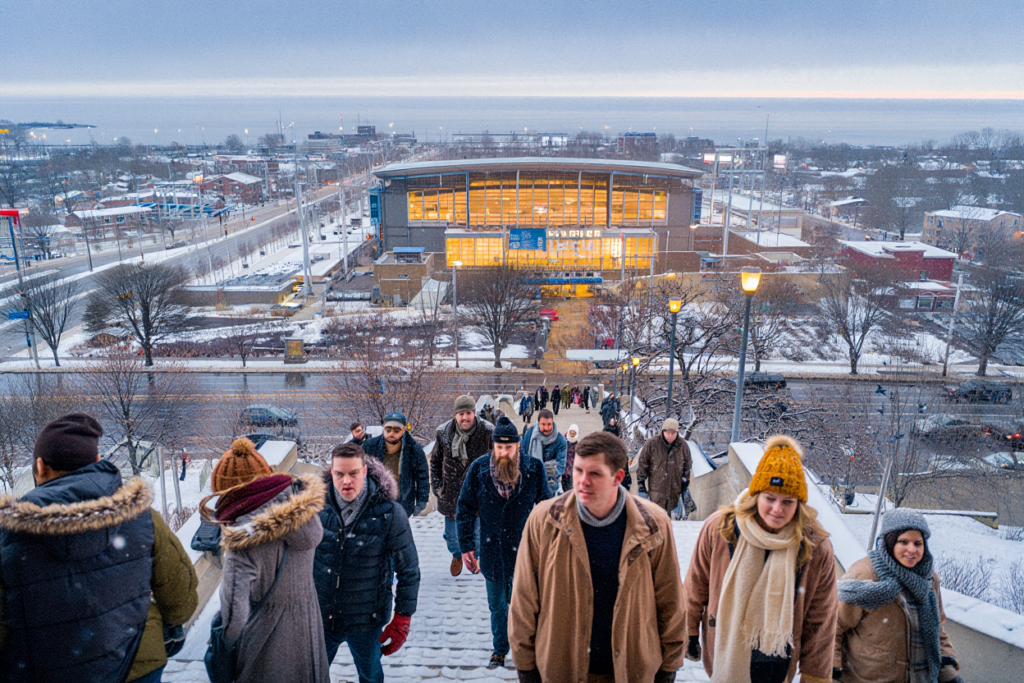
Weather shapes every sport, and hockey is no exception. Conditions on game day influence player performance, team strategy, and the odds sportsbooks post. Understanding these connections gives bettors something concrete to work with.
Temperature and Player Performance
Cold air increases air density, which slows the puck and makes passes less crisp. When temperatures drop below freezing, professional players adapt their passing angles and shooting power. Bettors who notice a team struggling with accuracy in extreme cold may find value in unders markets, where total goals scored tend to trend lower.
Warmer indoor arenas in Canadian cities like Toronto and Vancouver maintain consistent conditions, creating predictable playing surfaces. Teams accustomed to these stable environments often post more reliable scoring patterns. A visiting team from a colder region may show statistical variance in their first or second period before acclimating.
Wind and Travel Fatigue
Canadian winter storms occasionally disrupt travel schedules. When flight delays occur due to poor visibility or icing conditions, teams arrive exhausted and underprepared. Sportsbooks sometimes adjust opening lines for the delayed team, recognizing that fatigue-related performance drops are statistically documented. Teams traveling from western Canada to the Atlantic provinces during snow events frequently show reduced shot accuracy in their first contests after travel disruptions.
Humidity and Ice Quality
Interior humidity levels affect ice thickness and surface texture. When outdoor humidity infiltrates indoor arenas through door openings during stoppages, the playing surface becomes softer. Pucks bounce unpredictably, turnovers increase, and defensive teams benefit from the chaos. Bettors tracking ice conditions through facility reports find that games played under humidity stress tend to generate more penalties, more stoppages, and tighter defensive hockey.
Teams with stronger systems and veteran rosters handle these conditions better than younger squads relying on speed and finesse. This creates betting asymmetries where underdogs perform above their typical range.
Regional Weather Patterns and Betting Markets
Quebec and Ontario teams play in different microclimates. Montreal experiences harsher exterior conditions, which correlates with teams comfortable in lower-scoring, grind-it-out hockey. Vancouver’s milder weather outside the arena correlates with teams that prefer pace-based play. Sportsbooks recognize these regional identities and adjust lines accordingly.
When an atmospheric front hits multiple Atlantic province cities simultaneously, several teams can face travel delays on the same day. This concentration of disruptions can create market inefficiencies, since sportsbooks cannot always adjust every affected line proportionally.
Magnetic Disturbances and Awareness
Weak to moderate geomagnetic storms – such as those forecast for June 24-25 in some Canadian regions – are worth monitoring. While their direct effect on play is minimal, some bettors track space weather forecasts alongside game-day conditions as part of a broader situational picture.
Cape Town Weather as a Data Point
Cape Town is currently sitting at 13-15°C with overcast skies and rain probability ranging from 61% to 97% across different periods of the day. That has no direct bearing on Canadian hockey, but it illustrates a broader point: sportsbooks and betting syndicates operate globally and compile weather data from multiple markets. Conditions affecting sporting events elsewhere can shift money across betting exchanges, occasionally moving lines in unrelated markets as capital repositions.
Practical Betting Applications
Record the ambient conditions for each game: temperature outside the arena, wind speed, humidity readings where available, and travel details. Compare these against a team’s historical performance in similar conditions. Look for consistent directional trends rather than single-game anomalies.
Monitor sportsbook line movements in the 12 hours before game time. Sharp bettors often price weather intelligence into markets before public awareness catches up. If a line moves in one direction while weather forecasts worsen, that movement may signal informed money entering the market.
Weather affects hockey betting through several channels: physical performance tied to temperature and humidity, team psychology shaped by travel conditions, and statistical correlations between atmospheric conditions and scoring patterns. Bettors who track this information systematically gain a measurable advantage over those who ignore it entirely.