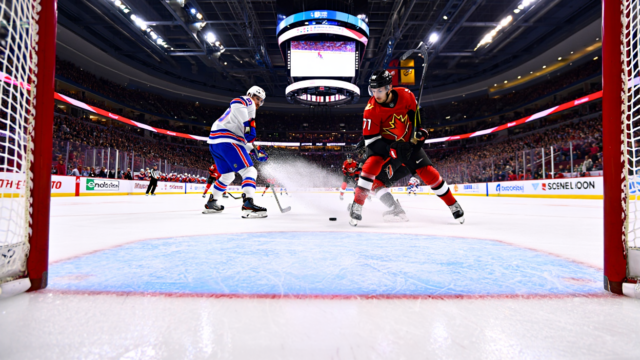
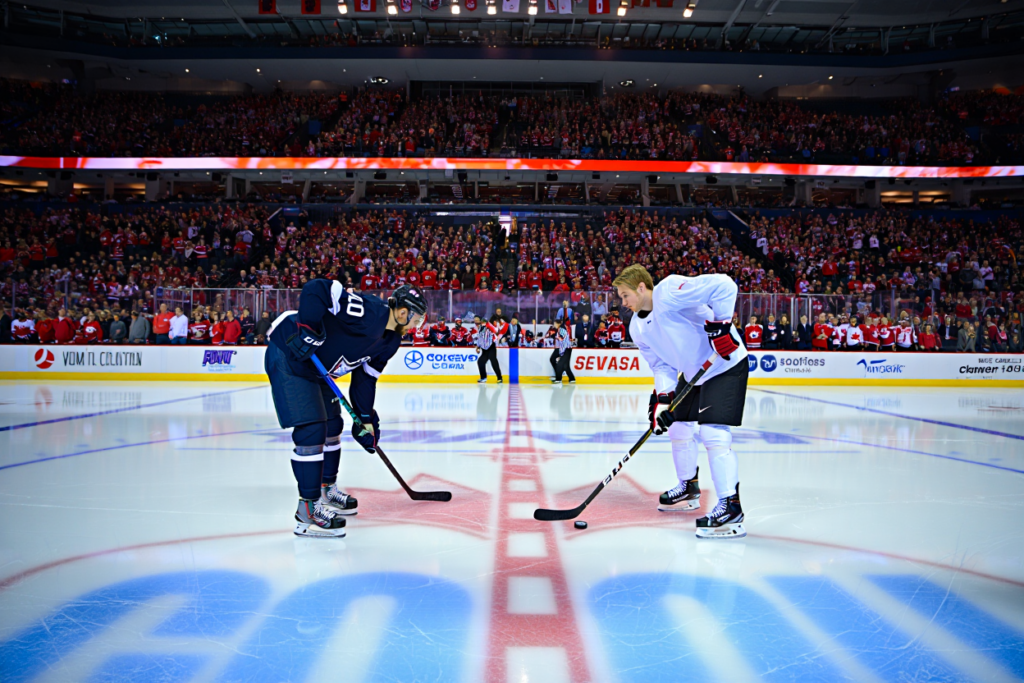
The National Hockey League operates as a professional organization uniting teams from the United States and Canada. Since its founding on November 29, 1917, the league has evolved significantly. The first season began on December 19, 1917, in Montreal. Today, 32 teams compete across the Eastern and Western conferences, divided into four divisions. Each team plays 82 regular season games – 41 home matches and 41 away – with the current conference-and-division structure in place since 2013.
The league’s point system awards two points for a win, one point for a tie in regulation, and zero points for a regulation loss. This scoring method has been in place since 2005/06. The team with the most regular season points earns the Presidents’ Trophy, while the three division leaders and four wild-card teams advance to the playoffs.
Playoff Format and Stanley Cup Competition
Playoff matches are elimination series where teams compete until one reaches four victories. Each series can last between four and seven games. When games reach overtime, teams play a full 20-minute period with five players per side. If no winner emerges in the first overtime, additional periods continue until a goal is scored. The Stanley Cup goes to the playoff champion, making it the ultimate prize in professional hockey.
Notable franchises include the Montreal Canadiens and Toronto Maple Leafs, representing hockey’s deep Canadian heritage. The Detroit Red Wings and Boston Bruins have also shaped the league’s competitive landscape. Russian players like Alexander Ovechkin, Evgeny Malkin, Artemi Panarin, and Kirill Kaprizov bring international talent to NHL rosters.
Key Factors for NHL Betting Forecasts
An NHL hockey rate forecast relies on several measurable elements. Home advantage statistics prove particularly valuable – some teams post win rates exceeding 50 percent in first-period matchups at their arena. Head-to-head records between opponents reveal patterns that inform total points predictions and spread selections.
Recent form matters significantly. Teams with three wins in their last five games show stronger momentum than those with a single win over the same span. Roster composition, including defensive depth and offensive firepower, directly impacts scoring totals and match outcomes.
Schedule positioning affects performance. Teams playing back-to-back games often show reduced intensity, while rest periods strengthen a squad’s competitive edge. Travel distance between venues can influence player fatigue, particularly during western conference road trips.
Goaltender performance drives prediction accuracy. The starter’s save percentage, recent shutouts, and record against similar offensive styles provide concrete metrics. A backup goaltender’s availability during injury periods can shift match dynamics significantly.
Practical Betting Strategies for Canadian Bettors
Professional analysts examine injury reports before placing bets, as the absence of star players or top-line defensemen reshapes team dynamics. Checking team news 24 hours before puck drop prevents wagering on lineups missing key performers.
Over/under total goals predictions work best when considering both teams’ offensive ranks and defensive statistics. A matchup between a high-scoring offense and a weak defense typically produces over outcomes, while defensive specialists facing strong goalies suggest under picks.
Spread betting requires understanding situational factors beyond simple win probability. Teams facing division rivals play with added intensity. Revenge matchups – rematches following recent losses – often see stronger performances from the trailing team.
Moneyline selections benefit from tracking odds movements. When public money floods toward favorites, underdogs offer better value. Books adjust lines based on betting patterns, so identifying sharp money movements can highlight genuine mismatches.
Using Expert Predictions Effectively
Many Canadian platforms now offer NHL hockey bet analysis from former athletes and commentators. These experts follow a systematic process: gathering information on roster changes and injuries, updating data on recent performance metrics, and interpreting head-to-head statistics.
Expert predictions typically cover upcoming matches over the next two days, allowing bettors to focus on immediate opportunities. Verified experts display personal statistics showing their historical accuracy rates, helping bettors identify reliable sources. Subscription-based services provide real-time updates as injury news and lineup changes emerge.
Comparing multiple expert opinions rather than following a single prediction improves decision quality. When three separate analysts agree on an outcome, confidence increases. When opinions diverge, the underlying reasoning – whether injury-based, tactical, or statistical – becomes the deciding factor.
Bankroll Management and Responsible Betting
Canadian bettors should allocate betting funds into separate units, wagering only a small percentage of total bankroll per match. A standard approach uses 2–5 percent per bet, ensuring that losing streaks don’t deplete capital before winning runs begin.
Track all bets with date, team, odds, and outcome. After 20–30 matches, this record reveals which bet types generate positive returns and which lose value consistently. Cutting unprofitable bet categories improves overall results.
Set monthly loss limits before the season starts. If losses reach that threshold, pause betting until the next month. This prevents emotional decision-making during downturns and protects long-term bankroll health.
Season-Specific Considerations
NHL seasons divide into three distinct periods: early season (October–November) when teams develop chemistry and rotation patterns become clear; mid-season (December–February) where form stabilizes and injuries accumulate; and late season (March–April) when teams fight for playoff positions and rest strategies emerge.
Early season predictions carry higher uncertainty as teams experiment with lineups and coaching systems. Mid-season offers the most reliable forecasts because coaches have settled strategies and health status stabilizes. Late-season teams either rest players ahead of the playoffs or maximize remaining games for qualification, creating predictable behavioral patterns.
Divisional meetings occur multiple times per season. Teams playing their fourth or fifth match against the same opponent have scouted defensive schemes thoroughly, reducing surprise factors and improving prediction accuracy.
Home ice advantage strengthens during the playoffs. A team hosting a playoff series converts that edge into actual wins more often than during the regular season. Canadian franchises playing in markets with intense fan support see measurable home advantage increases during high-stakes playoff matchups.