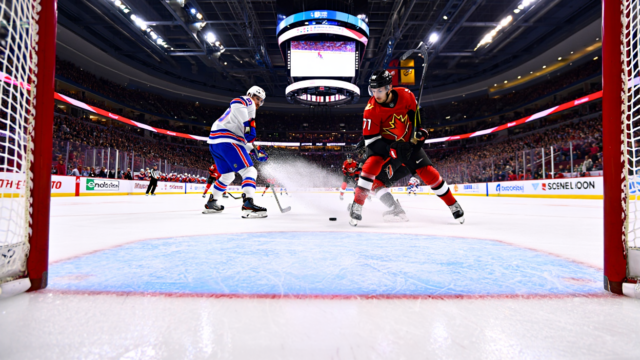
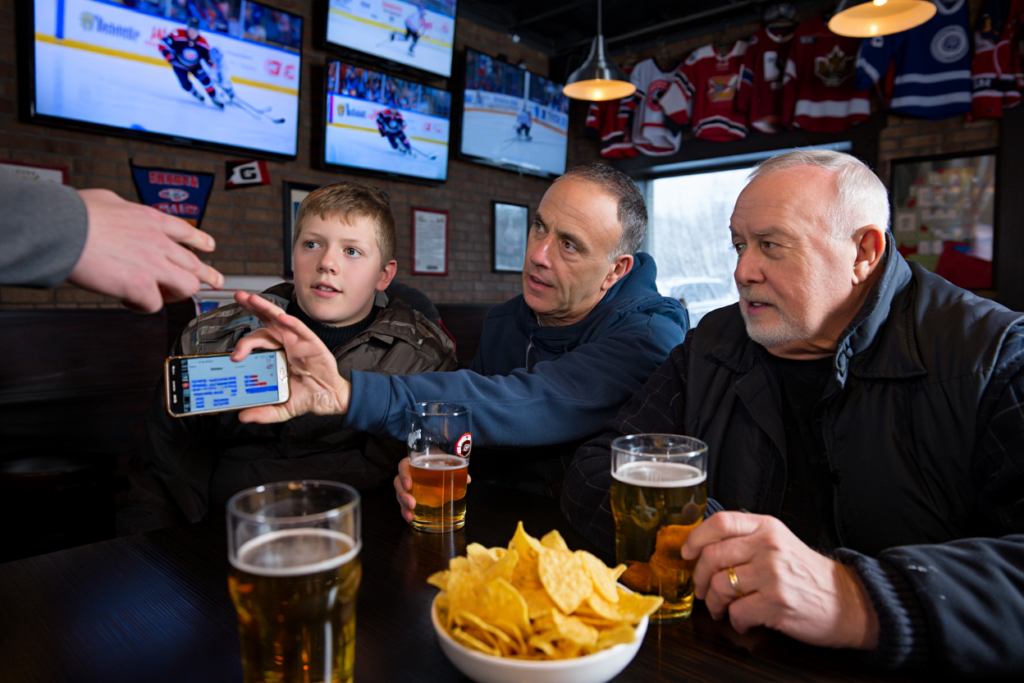
NHL odds represent the probability that sportsbooks assign to a particular outcome. In Canada, you’ll encounter three main formats: decimal odds (most common), fractional odds, and moneyline odds. Decimal odds of 2.50 mean that a $10 bet returns $25 total. Fractional odds like 5/2 indicate you win $5 for every $2 wagered. Moneyline odds use positive and negative numbers, where -150 means you need to bet $150 to win $100, and +150 means a $100 bet wins you $150.
The NHL odds forecast published by major sportsbooks reflects their assessment of team strength, injuries, and recent form. However, these odds include a built-in margin for the bookmaker. Understanding this spread between true probability and offered odds is where profitable betting begins. A team listed at -110 odds actually has closer to 52.4% true win probability when you account for the vigorish, or “vig”-the sportsbook’s commission.
Canadian bettors have access to multiple platforms including DraftKings, bet365, and Proline, each offering slightly different NHL odds forecast lines. Shopping for the best odds across sportsbooks can add 1-3% to your long-term profit margin. If one site offers Vancouver Canucks at -115 and another at -110, the second option gives you better value over dozens of bets.
Key Factors That Drive Accurate Predictions
Team strength metrics matter far more than recent emotional narratives. Expected Goals (xG) measures the quality of scoring chances a team creates versus what they allow. A team averaging 2.8 xG per game while allowing 2.2 typically outperforms its win-loss record eventually. Vegas Golden Knights’ dominance in recent seasons correlates directly with their superior possession and shot quality metrics, not just points accumulated.
Back-to-back games create predictable outcomes. Teams playing their second game in consecutive nights lose against evenly-matched opponents roughly 55% of the time. If Toronto Maple Leafs face Montreal Canadiens on a back-to-back while Montreal plays a rest game, Montreal’s price should be lower than standard NHL odds forecast models suggest. This inefficiency exists because casual bettors ignore schedule context.
Goaltender availability changes everything. When Connor Hellebuyck misses games due to injury, Winnipeg Jets’ implied win probability drops 8-12 percentage points in the odds forecast. The difference between a top-20 and replacement-level starter approaches 0.15 goals per game-substantial over a 60-minute contest. Monitor injury reports released 24 hours before puck drop, as sportsbooks sometimes lag on updating their NHL odds forecast when backup goalies get pressed into service.
Home ice advantage in the NHL averages 2.5 goals over a neutral site, meaning it matters less than in other sports. Teams win approximately 55% of home games league-wide. This relatively small edge means road underdogs offer better value than bettors typically expect. Detroit Red Wings as a +150 road underdog against Tampa Bay Lightning might actually carry better odds than their true probability warrants because sharp bettors avoid road teams.
Identifying Profitable Betting Opportunities
Value betting requires comparing your own probability estimates against the NHL odds forecast available at sportsbooks. If you believe a team has a 53% win probability but the odds imply only 48%, that’s a +5% edge. Over 100 bets at those odds, this gap generates significant profit. Most casual bettors bet on favorites or teams they follow emotionally, creating mispricing in underdog lines where true value hides.
Tracking line movement reveals where smart money flows. If Vegas Golden Knights opened at -130 against Colorado Avalanche but dropped to -115 by game time, sharp bettors clearly favored Colorado. Your NHL odds forecast research that independently concluded Colorado was undervalued gains confidence when professional money confirms it. Conversely, if a team’s odds tighten despite no injury news, something in the market’s collective assessment shifted that casual bettors might miss.
Corsi and Fenwick data (unblocked shot attempts) predict outcomes more reliably than raw goal totals. Teams maintaining 52% Corsi for percentage win 55-58% of games long-term. Buffalo Sabres might have fewer goals, but if they generate 51% of all shot attempts against Dallas Stars, that narrow edge carries predictive power. Many bettors ignore these underlying metrics, allowing them to predict future results before they reflect in the odds.
Playoff probability models published by FiveThirtyEight and other analytics sites sometimes conflict with current NHL odds forecast pricing. If these models rate a bubble team at 12% playoff odds but betting lines price them at 18%, the underdog carries value. These analytical gaps close throughout the season but persist long enough for sharp bettors to exploit them.
Building a Sustainable Betting Strategy
Unit sizing determines survival in sports betting. A single unit represents 1-3% of your bankroll, regardless of how confident you feel. Risking 5% on one wager-even if your research seems bulletproof-invites ruin. Winning 55% of bets with proper unit sizing generates wealth; winning 65% with reckless sizing guarantees eventual disaster. The most successful NHL bettors in Canada operate with boring consistency: every wager equals 1-2 units, regardless of confidence level.
Keeping detailed records transforms guessing into science. Document every bet including team, odds taken, size, reason for the play, and result. After 100 bets, patterns emerge. Maybe your predictions on second-game-of-back-to-backs hit 60% while your playoff-contention angle hits 48%. These insights direct future strategy. Bettors without records repeat the same losing patterns endlessly, blaming variance rather than skill gaps.
Specialization beats generalism in sports betting. Instead of predicting all 82 games, focus on 15-20 games weekly where you hold an edge. Perhaps you excel at identifying rest-advantage situations or goaltender matchups. Building expertise in specific NHL odds forecast angles-like how certain coaching changes affect defensive metrics-creates compound advantage. Jack Campbell’s arrival at Dallas Stars visibly altered their penalty kill success, which rippled through betting value weeks before the rest of the market acknowledged it.
Closing line value (CLV) measures whether your odds were better than the final settling price. If you backed Calgary Flames at -115 and closing odds were -130, you achieved +CLV. Winning bettors consistently capture +CLV because they identify mispricing before the market does. Tracking CLV independently of results reveals whether you’re genuinely skilled or just lucky. You might lose a specific wager but if you had CLV, keep making that play.
Common Mistakes That Erode Profits
Recency bias distorts probability assessment. A team losing three straight games doesn’t become 20% worse; their schedule simply became harder or their variance ran negative. Connor McDavid and Edmonton Oilers experience 20-game stretches where shooting percentage drops below league average, creating false impressions of decline. The NHL odds forecast often overreacts, and contrarian bets against emotional line movement capture value.
Betting favorites consistently loses money long-term. Teams priced at -150 or lower win less frequently than the odds imply because sportsbooks shade favorite prices higher. Searching specifically for underdog value, particularly +120 to +180 range where sharp bettors ignore casual favorites, generates better returns. This doesn’t mean never back favorites-it means recognizing that underdogs represent your path to consistent profit.
Combining multiple bets into parlays feels exciting but multiplies the probability of loss. A four-team parlay where each leg carries 55% win probability only succeeds 9.15% of the time. The payout (typically 10 to 1 or higher) seems attractive until you realize your true expectation is negative. Sportsbooks feature prominent parlay markets because bettors lose them at terrible rates. Stick to single-game wagers where your research matters.
Chasing losses with larger bets destroys bankrolls. After a losing week, the impulse to bet bigger to recover losses quickly leads to catastrophe. Professional bettors treat losing weeks as data points requiring strategy review, not motivation for recklessness. Your unit sizing exists precisely to protect you during variance runs, which occur several times yearly regardless of skill.
Advanced NHL Odds Forecast Techniques
Player usage charts reveal which linemates spend ice time together. Connecting star players with complementary forwards and analyzing their production rates separately identifies when an injury truly matters. If Matthews’ linemates average 0.95 points per 60 minutes with him but only 0.62 without, losing Matthews costs more goal production than the raw stat suggests. Few casual bettors dig this deep, creating pricing gaps in NHL odds forecast before and after significant lineups changes.
Travel fatigue compounds schedule stress. Teams flying cross-continent and arriving morning-of-game win 51% versus 56% when arriving the previous day. Western Conference teams visiting the East after playing the previous night perform especially poorly. Vegas’s location creates travel advantages absent for other teams-Denver Avalanche consistently underperform their talent level partly because altitude acclimation and travel distances disadvantage visitors. Smart NHL odds forecast predictions account for these practical realities.
Penalty differential trends predict future goal margin adjustments. Teams averaging +1.5 penalties per game (drawing more than they take) see opposing goaltending quality effectively improved by penalty kill opportunities. If Calgary Flames maintain -0.8 penalty differential while Tampa Bay Lightning hold +1.2, five-on-five expected goals alone understate the true gap. Referee crews differ too-certain officials call tighter or looser games, affecting penalty-dependent teams disproportionately.
Micro-weather conditions at certain venues affect gameplay. Dry ice systems and humidity levels at Nashville Predators’ Bridgestone Arena create unique ice conditions that influence goal-scoring patterns. Bettors analyzing one season’s data without recognizing these environmental factors mispredict over-unders. Edmonton Oilers play faster hockey at Rogers Place than road rinks due to ice quality, a fact reflected in their 54% home win rate versus 48% road rate despite equivalent roster talent.
Practical Steps to Start Winning Today
Begin by selecting two sportsbooks and comparing their NHL odds forecast lines on today’s games. Document the differences and calculate which offers better value based on your probability estimates. This simple exercise trains your eye for line shopping’s importance. Over 50 bets, consistent shopping adds a goal’s worth of value to your total return.
Research the goaltenders starting in tonight’s games. Visit CorsiType or similar analytics sites and pull their recent underlying metrics. If one team starts a goaltender with -5% GSAx (Goals Saved Above Expected) while the opponent starts someone at +3% GSAx, that 8-percentage-point difference carries predictive weight most casual NHL odds forecast bettors ignore.
Create a spreadsheet tracking three factors for each game you consider: back-to-back status, goaltender metrics, and rest advantage. Assign rough probability adjustments for each factor. Teams playing second game of back-to-back lose -3% of their base win probability; each day of rest over opponent adds +1%. These aren’t precise numbers, but they’re better than intuition alone and require five minutes per game to apply.
Start small with single-unit wagers on high-conviction plays-games where multiple analytical angles align. Maybe Colorado Avalanche faces an inferior team missing its starting goaltender while rested and at home. That’s convergent evidence worth risking a unit. Building confidence through small wins before scaling up separates sustainable betting from gambling.
Track your closing line value for 20 wagers before evaluating results. You might lose 9 of 20 games but capture +CLV on 13 of them, indicating genuine skill despite negative short-term results. This distinction separates true bettors from lucky streaks. Most people quit after losing weeks without understanding whether they’re genuinely unskilled or simply experiencing normal variance.
Successful NHL betting in Canada demands patience, discipline, and respect for data. Your NHL odds forecast doesn’t need to be perfect-it simply needs to be better than the sportsbook’s, and better more frequently than variance allows. Start with fundamentals, track everything, and resist the impulse to do too much too soon. The games will be there next week, offering fresh opportunities for disciplined edge-seekers.