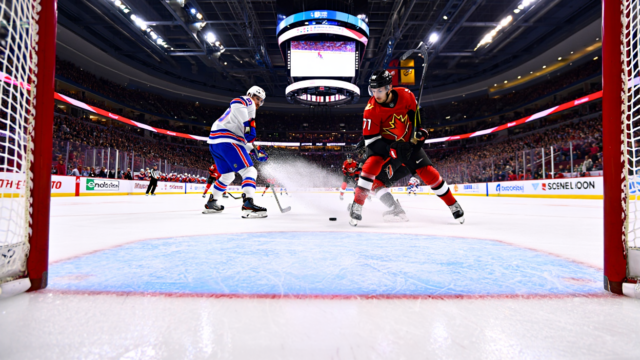

A hockey parlay, commonly called an express bet, combines multiple individual wagers into a single ticket where all selections must win for the bet to cash. Unlike single bets where losses are isolated to one outcome, a parlay multiplies odds across all legs, creating higher potential payouts from smaller initial stakes. This structure appeals to Canadian bettors because a $20 wager can generate returns of hundreds of dollars if every prediction lands correctly.
The mechanics work straightforwardly. You select matches from available leagues-NHL, AHL, or international competitions-then combine them on one betting slip. Sportsbooks calculate the combined odds by multiplying individual match odds together. If you pick three games at 1.80 odds each, your parlay odds become 5.83 (1.80 × 1.80 × 1.80). A $50 stake at those combined odds returns $291.50 if all three legs win, but loses entirely if even one selection fails.
Building Your Express Bet Strategy
Successful hockey parlays require more than luck. Professional bettors analyze team statistics, recent form, injury reports, and head-to-head records before adding matches to their coupons. The NHL’s official statistics database tracks goals against average, power-play conversion rates, and penalty-kill efficiency-all useful indicators for predicting outcomes.
Start by selecting matches where you have genuine confidence rather than filling a parlay with marginal picks just to increase odds. A four-leg parlay with 70% confidence on each leg has roughly 24% overall success probability (0.70 × 0.70 × 0.70 × 0.70). Adding a fifth leg drops that to 17%. Shorter parlays-typically two to three legs-create better risk-reward balances than seven or eight-leg combinations.
Canadian sportsbooks offer several parlay structures beyond simple win predictions. Team totals (over/under combined goals for one club), exact final scores, and handicaps (adjusting wins by goal margins) all stack within express bets. Combining these bet types requires deeper analysis but often produces better value than stacking only moneyline wagers.
Choosing Match Types for Parlays
Moneyline bets form the foundation of most hockey parlays. These straightforward picks require selecting which team wins the game outright, ignoring margins. A team favored at -150 odds means you risk $150 to win $100, while a +130 underdog returns $130 profit on a $100 stake.
Goal total bets (over/under) work well for parlays when combined with moneyline picks from the same games. If you expect the Toronto Maple Leafs to beat Buffalo while expecting 5+ combined goals, stacking both selections increases odds without requiring completely independent predictions. The same game contains both outcomes.
Handicap bets adjust scores by a set margin, useful when you believe in a team’s victory but want better odds than the moneyline offers. Betting the Montreal Canadiens at -1.5 goals means they must win by two or more for the bet to cash. The reduced odds (typically 1.90 to 2.10) balance the tighter requirement.
Analyzing Teams and Matchups
Professional hockey predictors examine KHL, NHL, and AHL statistics before constructing parlays. Key metrics include goals per game, shots on goal, and turnover rates. A team averaging 2.8 goals per game against defenses allowing 2.3 should offer reasonable backing for an over-bet on team totals.
Fatigue matters significantly in hockey. Teams playing the second night of back-to-back games show measurably lower performance. The NHL tracks this throughout seasons, and Canadian bettors who monitor game schedules can exploit situations where rested teams face tired opponents. A rested squad hosting an exhausted visitor often presents strong parlay value.
Goaltender status changes outcomes substantially. Starting backup goalies instead of established starters shifts odds noticeably. Following injury reports from team announcements or sports news services like TSN or Sportsnet reveals these crucial details before odds adjust. Adding a goaltender change leg to your parlay when you possess this information creates an edge.
Setting Stake Sizes and Bankroll Management
Express bets should represent only a small fraction of your overall hockey betting budget. Professional bettors typically limit individual parlays to 1-2% of their total bankroll. If you have $500 available for hockey wagers across a season, a single parlay should risk no more than $5-10.
Adjusting stake size based on parlay length maintains risk consistency. A two-leg parlay might get $15 while a five-leg combination receives $5, since the five-leg succeeds less frequently. This approach ensures you’re not over-exposed to low-probability tickets regardless of their potential payouts.
Tracking all wagers in a spreadsheet creates accountability and reveals whether your selections generate long-term profit. Record the date, matches selected, odds, stake, and result. After 30-50 parlays, you’ll see if your analysis produces positive expected value or needs adjustment.
Diversifying Your Parlay Selections
Combining too many correlated outcomes ruins express bets. Selecting Calgary Flames to win, the game total under 5.5, and Calgary moneyline combined creates redundancy-if Calgary loses, three legs fail simultaneously. Spreading selections across multiple games and leagues reduces this concentration risk.
A balanced three-leg parlay might include one NHL moneyline, one AHL matchup, and one hockey total from a different NHL game. Alternatively, combine a moneyline, a handicap, and an over/under from separate contests. This structure ensures that losing one leg doesn’t immediately telegraph failure across others.
International leagues like the SHL, Liiga, or Champions Hockey League offer parlay opportunities for bettors seeking higher odds. European matches provide different value than North American contests, and mixing them into parlays adds variety. Canadian sportsbooks including DraftKings, FanDuel, and BetRivers now offer markets on European hockey.
Learning from Professional Predictions
Several platforms publish daily professional hockey predictions with detailed reasoning. Services like STAVKA TV release “Express of the Day” selections featuring combined bets on KHL, VHL, and Premier League matches alongside odds explanations. These recommendations show how experienced analysts balance profit potential against risk when structuring multi-leg tickets.
Comparing your picks against professional selections teaches pattern recognition. Professionals often avoid certain match combinations even when odds seem attractive. A highly volatile game between unpredictable teams might be excluded from expert parlays despite 2.0+ individual odds. Learning which matchups professionals avoid helps sharpen your judgment.
Betting forums and prediction communities like TSN boards or Reddit’s sports gambling communities let you assess community sentiment before confirming parlays. If professional consensus strongly favors one side while odds suggest the opposite, value exists. If everyone expects identical outcomes, odds have likely already adjusted fairly.
Timing Your Parlays
Betting early in the day, before news breaks and odds shift, sometimes captures value that disappears by game time. Injuries announced hours before puck drop instantly alter moneylines and totals. Constructing your parlay before these announcements solidifies better odds on teams losing key players.
Conversely, waiting until lineup confirmations emerge ensures you’re not betting blind. Many Canadian bettors place final parlay selections 30 minutes before opening face-offs once starting rosters are official. This narrow window requires speed but eliminates surprises from unexpected scratches.
Line movement patterns reveal sharp money movement. When odds on a favored team suddenly shift from -150 to -170, professional bettors likely recognized value and backed that selection heavily. Following these shifts by adding similar plays to your parlay occasionally improves decision quality.
Managing Losses and Avoiding Common Mistakes
Chasing losses with larger parlays destroys bankrolls systematically. One unlucky five-leg parlay that lost doesn’t warrant immediately betting a $100 ticket to “recover faster.” Maintain consistent stake sizing regardless of recent results.
Over-confidence following winners tempts bettors into looser analysis standards. After cashing a four-leg parlay, the next parlay often contains weaker selections simply because recent wins inflated confidence. Each ticket deserves equal scrutiny regardless of your mood or recent success.
Ignoring line value for parlay odds creates long-term losses. Building a seven-leg parlay with 40-50% individual success odds guarantees eventual failure, regardless of potential payouts. The math simply doesn’t work. Focus on selections where analysis suggests 55%+ win probability rather than chasing +500 parlay odds.
Essential Tracking and Adjustment
Maintaining detailed records transforms random betting into measurable performance. Note every parlay’s legs, odds, and outcome. Calculate your actual success rate monthly and compare it against the mathematical probability your odds suggested. If you’re hitting 15% of five-leg parlays (requiring 60%+ individual success) but your selections average 55% individually, your analysis needs recalibration.
Seasonal variance matters in hockey. Early season form differs from mid-season consistency. Teams adjust rosters, coaching strategies evolve, and player conditioning peaks at different times. Your parlay approach might need seasonal adjustments-smaller or larger parlays depending on predictability.
Canadian sportsbooks adjust their odds based on betting patterns and sharp action. Regularly checking the same matchups across multiple platforms (DraftKings, FanDuel, BetRivers, Bet365) reveals which books offer better value. Slight differences in -110 versus -112 odds compound across multi-leg parlays.
Building winning hockey parlays requires combining statistical analysis with disciplined bankroll management. Success comes from identifying matchups where your analysis creates genuine edges, sizing bets appropriately, and avoiding emotional decision-making. Start small, track results honestly, and adjust your approach based on actual performance rather than theoretical expectations.