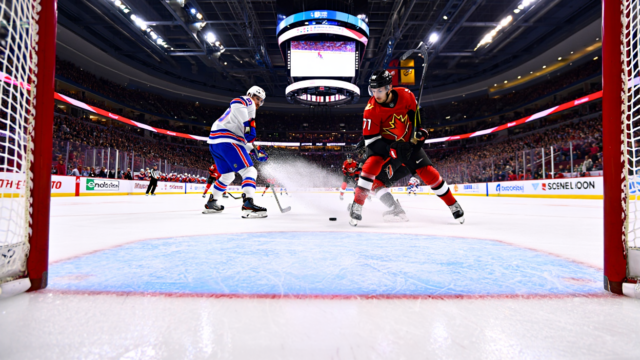

Professional hockey analysts build their predictions on concrete data rather than intuition. They examine team statistics, injury reports, head-to-head records, and recent performance trends. When experts from sports analysis platforms make NHL predictions today, they start by collecting information about roster changes, player availability, and how teams performed in their last five games.
The prediction process involves comparing metrics like first-period win rates at home, scoring patterns, and defensive efficiency. For instance, if a team wins over 50% of their home games in the opening period, that becomes a measurable advantage in the matchup analysis. Former athletes and sports commentators who provide these picks maintain personal hit statistics, which accountability matters significantly in the prediction space.
Regular Season vs. Playoff Predictions
The NHL offers betting opportunities across ten months of the year. The preseason in September allows bettors to see new lineups and trades in action. From October through March, the regular season provides 82 games per team, creating the largest volume of matchups to analyze. This extended schedule helps experts identify patterns that shape their NHL hockey predictions today.
Playoff predictions carry different weight. When March arrives and teams compete for Stanley Cup positioning, every game becomes elimination-focused. Experts adjust their approach during playoffs because teams play with higher intensity, backup goaltenders rarely see significant minutes, and injuries compound more dramatically. A team that looked weak in January might peak in April with a healthy roster.
Analyzing Home Ice Advantage
Home teams consistently outperform road opponents in specific situations. Philadelphia demonstrates a strong first-period advantage at home, winning over 50% of opening frames on home ice. This statistical edge appears in expert analysis because it reflects real matchup dynamics rather than speculation.
Head-to-head records provide another layer. When Martin faces an equal opponent, his individual rating dominates the calculation. Teams with history against specific rivals show different patterns than against unfamiliar competition. Calgary has won 32 games against Saskatchewan while losing just 15, a massive differential that factors into any prediction involving these clubs.
Team Form and Recent Performance
Utah has won three of their last five games while Calgary managed just one victory in the same span. That form gap matters. Utah also leads their head-to-head series 2-1, giving them psychological and statistical advantages. Recent results often predict immediate outcomes better than full-season averages because they capture current team condition.
Russian players influence prediction calculations for certain analysts. Alexander Ovechkin, Evgeny Kuznetsov, Sergei Malkin, Artemi Panarin, and Kirill Kaprizov draw specialized attention from experts who track their impact on team trajectories. The Washington Capitals, Pittsburgh Penguins, Detroit Red Wings, and Tampa Bay Lightning receive extra scrutiny because of their presence.
Stanley Cup Playoff Outcomes
Recent playoff history shows how competitive the tournament structure remains. The first round produced Dallas defeating Pittsburgh 4-2, Colorado beating Pittsburgh 4-2 (though the source notes some data corruption here), Buffalo defeating Tampa Bay 4-3, and Vegas eliminating Edmonton 4-2. None of these results felt predetermined despite seeding advantages.
Carolina demonstrated dominance in later rounds, eventually winning the Cup. Their second-round sweep of Colorado 4-0 showed exceptional depth. The finals against Vegas went full seven games with scores of 4-5, 4-3 in overtime, 5-4 in overtime, 3-5, 4-2, and a dominant 3-0 finish. Overtime games appeared twice during that series, illustrating how playoff hockey produces tight contests and unexpected momentum swings.
Reading Expert Prediction Statistics
Prediction accuracy rates matter when selecting whose analysis to follow. Expert platforms publish hit statistics in dedicated sections with filtering options. This transparency allows bettors to see which analysts perform best on specific bet types, leagues, or time periods. An expert with 65% accuracy on moneyline predictions but 52% on spreads shows clear strengths and weaknesses.
The filtering tools let you track performance across different seasons, playoff versus regular season, or specific conferences. If Carolina-Vegas playoff prediction specialists show strong records during June matchups, their picks carry more weight than general analysts.
Where to Find Reliable NHL Predictions Today
Multiple platforms publish free expert predictions. STAVKA TV provides analysis from former athletes and commentators with verified track records. VseProsport analyzes every NHL match daily, considering injuries and statistical matchups. Championat compiles comprehensive playoff brackets and scores.
These resources share methodology: gather current data, update statistics in real time, interpret patterns, and compare teams on neutral ground. They focus on concrete numbers rather than narrative. When you seek NHL playoff predictions for today, look for analysts who cite specific advantages like home ice records or head-to-head trends rather than offering vague confidence statements.
Making Your Own Assessment
Expert picks provide a foundation, not a guarantee. Combine their analysis with your own observation of team news. A star player’s return from injury after months absent might not fully calibrate in statistical models yet. Goaltender performance swings sharply based on recent form and workload. Trade deadline acquisitions need games to develop chemistry.
Follow the analytics but trust verification. The NHL’s 32-team structure ensures competitive balance, meaning favorites lose regularly. That unpredictability makes the league compelling and makes accurate prediction genuinely difficult.