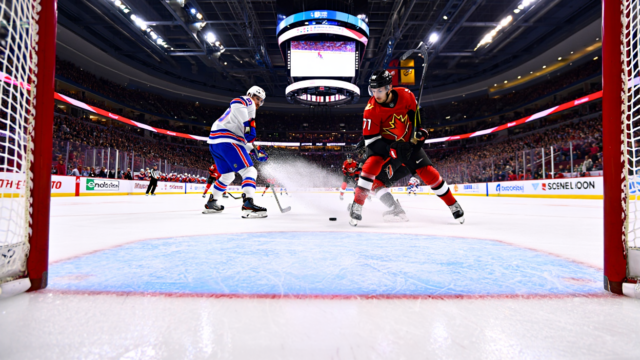

Hockey betting in Canada offers genuine profit opportunities, but only if you approach it systematically. The sport’s unpredictability – frequent comebacks, overtime finishes, and scoring volatility – creates gaps between bookmaker odds and actual game outcomes. This guide walks through concrete strategies that separate consistent winners from casual bettors.
Understanding Hockey Bet Types and How to Place Them Correctly
The foundation of smart hockey wagering starts with knowing exactly what you’re betting on. Most sportsbooks in Canada offer several distinct bet categories, each with different mechanics and risk profiles.
Moneyline bets (also called win bets) are the simplest: you pick which team wins the game, including overtime and shootouts. The favorite carries negative odds (like -150), meaning you risk $150 to win $100. Underdogs show positive odds (+180), so a $100 bet returns $180 profit. This straightforward approach works best for games where you have strong conviction about the winner.
Puck line bets function like point spreads in basketball. One team gets a -1.5 goal handicap, the other +1.5. If you back the favorite on the puck line, they must win by two or more goals. The underdog’s side wins if they lose by one goal or less, or win outright. Puck line bets typically offer tighter odds (around -110 on both sides) than moneylines, making them useful when you believe in a team’s superior talent but suspect a closer match than the spread implies.
Total bets (over/under) let you wager on combined goals scored. A line might sit at 5.5 goals. You pick whether the game finishes with six or more goals (over) or five or fewer (under). Hockey totals reflect the reality that scoring varies dramatically between leagues: NHL games average 5.5–6 goals per night, while KHL contests typically see around 5 goals. Understanding your league’s typical scoring pace before betting totals saves you from chasing inflated numbers.
Game outcome with total bets combine these elements. For example, you might wager “Team A wins and the total exceeds 5.5 goals,” which requires both conditions to land. These multi-leg bets offer higher payouts because they’re harder to hit, but experienced bettors use them selectively when they’ve identified specific game conditions.
Double chance bets reduce risk by letting you pick two outcomes from three possibilities. You can bet “Home team wins or ties” (removing the away team from contention), “Tie or away win,” or “Home or away win” (eliminating ties). Bookmakers price these accordingly, so you’re trading potential profit for lower variance.
Factors That Actually Influence Hockey Match Outcomes
Raw intuition fails in hockey betting. Winners analyze repeatable patterns. Team depth matters far more than casual fans realize. A star forward missing five games due to injury doesn’t just remove one player – it collapses an entire line’s chemistry, forcing adjustments that ripple through matchups the bookmaker might not have fully repriced.
Back-to-back games create predictable fatigue, especially for teams with long travel distances. A Canadian team flying from Vancouver to Toronto for a second consecutive night game operates at a measurable disadvantage. Official NHL statistics pages and schedule trackers document these fixtures, letting you identify spots where tired teams face fresh opponents.
Goaltender performance swings create the largest edges. One backup goalie starter – perhaps due to a midweek injury – can shift win probability by several percentage points. Before placing any bet, verify who’s starting in net. Checking team social media accounts or official NHL/KHL roster pages takes two minutes and often reveals information oddsmakers haven’t fully digested.
Home ice advantage in hockey is real but smaller than in other sports – roughly 54–55% win rate for home teams across full seasons. Crowds influence close games more than blowouts, so when you’re already confident in a favorite, home ice strengthens your case. When betting underdogs, don’t overweight it; an inferior team playing at home still loses most nights.
Playoff intensity changes everything. Regular season patterns collapse because teams activate defensive schemes and players elevate effort. Scoring drops, underdogs upset favorites at higher rates, and pace shifts dramatically. If you’re betting mid-season, don’t assume playoff results follow the same logic.
Building a Data-Driven Approach to Correct Hockey Bets
The gap between casual bettors and winners isn’t luck – it’s information depth. Successful hockey bettors gather data systematically before placing wagers.
Start with official league sources. The NHL publishes detailed statistics including shot differentials, special teams percentages, and player-by-player metrics. The KHL equivalent is available at khl.ru. These resources reveal whether a team’s recent record reflects actual performance or variance. A team winning 4–1 but trailing in expected goals (xG) shows unsustainable results; regression to underlying metrics suggests betting against them next game.
Advanced analytics quantify possession, scoring chances, and goaltender impact. You don’t need to become a data scientist – tracking a team’s shot differential across five recent games tells you whether their record is earned or fragile.
Player injury reports matter more in hockey than most sports. A team losing their second-line center moves from contention to a different situation instantly. Check official injury reports on team websites before every bet. Bookmakers sometimes underreact to midweek injuries announced after line-setting.
Betting limits and margins vary by league in ways that affect profitability. The NHL offers higher limits at most Canadian sportsbooks with margins around 4–5%. The KHL carries lower limits and higher margins in North America, making it harder to grind profits unless you identify specific edges. This changes which leagues deserve your attention.
How to Win on Hockey Bets Through Bankroll Management
Bankroll management separates professionals from gamblers losing weekly rent money. A proper system prevents you from chasing losses into bankruptcy.
Divide your total betting budget into units. If you have $500 available for hockey bets, define one unit as $25. All wagers should range from one to three units maximum. This means your biggest loss on any single bet is three units ($75), and your biggest win is three units of profit. After ten bets at this level with average -110 odds, you need just 55% accuracy to profit.
Never adjust unit size upward after wins. This temptation destroys bankrolls. Stick to your unit size regardless of whether you just won five straight bets. Dropping units after losses is fine – it prevents spiral losses.
Track every wager: date, odds, bet type, league, teams, and result. Spreadsheets work fine. After fifty bets, analyze your data. Which leagues profit? Which bet types? Which game conditions? Winners adjust strategy based on evidence, not emotion.
Avoid multi-leg parlay bets when learning. These require multiple outcomes to align – intellectually appealing but mathematically worse than singles. Once you’ve built a proven edge in single bets across 100+ wagers, parlays might make sense.
Hockey Betting Strategies That Actually Work
No genuinely guaranteed bets exist – anyone claiming otherwise is selling something. Real strategies exploit recurring patterns.
Underdog comebacks happen in hockey far more than other sports because games remain competitive late. Teams down 3–1 with ten minutes remaining still win a meaningful percentage of the time, depending on opponent quality. This means underdog bets offer better value than the odds initially suggest, especially in third periods when bookmakers haven’t adjusted for lineup changes or momentum shifts.
Totals in back-to-back games trend under because tired teams play more defensively. If you find a game where both teams played yesterday and the total sits at 5.5, backing the under offers value. Fatigue slows pace and reduces scoring chances, even when neither team plays poorly.
Home teams struggling against opponents with strong road records represent systematic value. When statistics show a home team winning only 48% at their arena while their opponent wins 58% on the road, the matchup odds often don’t fully reflect the visitor’s superiority. These gaps create profitable spots.
Goalkeeper changes create opportunities before oddsmakers catch up. If a starter gets injured midweek and a backup takes their place, early-week lines often undervalue the backup’s impact. By Friday, the market corrects. Placing your bet as soon as the change is announced – before public awareness spikes – captures that edge.
Prop bets on total goals by specific players can reward patient research. If you’ve identified a young forward entering a breakout season while bookmakers still price them conservatively, consistent bets on their goal totals can accumulate profit over a full season.
Adjusting Strategy for Different Leagues and Conditions
The NHL and KHL behave differently, requiring adjusted approaches.
NHL games feature higher scoring (5.5–6 goals nightly) and more data availability. This liquidity means the market prices efficiently and quickly, so your edge comes from analyzing game-specific factors – injuries, matchups, goaltending changes – rather than league-wide trends. Many games air late, and bettors following West Coast contests often find slower market adjustments during those windows.
KHL games show lower typical scoring (~5 goals) and less English-language information available to North American bettors. The information gap works in your favor if you follow those leagues closely. However, KHL carries higher margins and lower betting limits in North America, so even a profitable strategy generates smaller total returns. Treat it as supplementary, not primary.
Team stability matters. Some KHL franchises face issues that affect prediction reliability, while NHL teams operate under stricter league governance. If you can’t verify that a team is operating normally due to ownership or financial uncertainty, avoid betting them until clarity returns.
Tracking Form and Statistics for Ongoing Success
Winning hockey bettors review statistics obsessively. You don’t need to watch entire games, but checking highlights from last night’s contested loss reveals whether the stats match reality. A team that dominated possession but lost 3–1 shows vulnerability worth exploiting.
Set reminders to check injury reports on game days. Official lineups appear 90 minutes before puck drop – your last chance to update or cancel a bet if your thesis changed due to an unexpected roster move.
Follow beat reporters covering each team you bet regularly. They break roster news, practice observations, and context that statistical sites miss. A reporter noting tension after a rough road trip suggests a team might underperform in their next game.
Create a simple spreadsheet tracking your predictions versus actual results. Before each game, write down your expected win probability for each team. After the season, compare predictions to reality. If you predicted 52% and the team won 57% of games, you’re being too conservative; if you predicted 58% and they won 54%, you’re overconfident. Calibration improves with honest self-assessment.
Practical Approach to Starting Your Hockey Betting
Begin by observing games without money on the line. Watch five games, note which teams you’d have backed, then check the results. After five games, you’ll feel more comfortable placing real money with a framework behind your decisions.
Start with moneyline bets on games where you have strong conviction. Avoid close matchups where odds sit near -110 on both sides; wait for spots where your analysis suggests one side is clearly undervalued.
Use the smallest unit size your sportsbook allows. Most Canadian operators accept $5–10 bets. This lets you place forty bets before committing $500, giving you a meaningful sample size without financial danger.
Bet only on leagues where you can access injury reports and statistics easily. For Canadians, this typically means NHL and occasionally KHL if you’re willing to engage with those sources. Avoid obscure European leagues where information is sparse.
After your first fifty bets, analyze what worked. Did moneylines beat puck lines? Did certain teams prove predictable? Did specific conditions – back-to-backs, goaltender changes, home ice against strong road teams – correlate with wins? Let data guide your next fifty bets.
Hockey betting rewards consistency and systematic thinking. Treating it like a part-time analytical job rather than entertainment produces genuine monthly profit for those willing to invest the work.