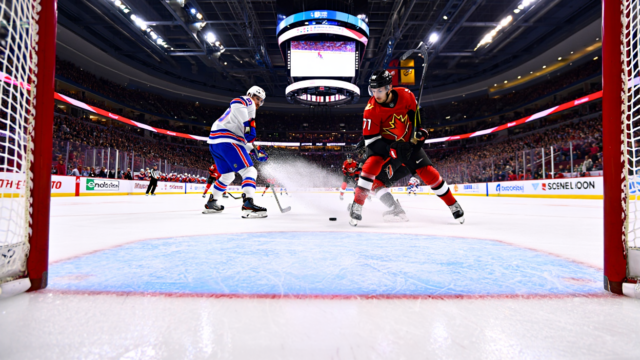

Canadian bettors encounter three distinct hockey formats, each with its own rhythm and betting opportunities. Classic NHL hockey remains the foundation, but short hockey and cyber hockey have carved out their own niches among Canadian sportsbooks.
Classic hockey operates on the full-ice format with standard NHL rules: 20-minute periods, offside calls, and icing infractions. Matches develop over 60 minutes, allowing for strategic analysis and momentum shifts that savvy bettors can exploit.
Short hockey compresses the game onto a smaller rink with 3v3 or 4v4 skaters and no offside or icing rules. Periods last just 10 minutes, meaning a complete match finishes in 30 minutes. This format generates higher scoring totals and produces multiple games daily, making it ideal for bettors who want frequent action without waiting for evening NHL broadcasts.
Cyber hockey (simulated NHL) takes speed to the extreme. Matches last 12 to 18 minutes total with periods of 4 to 6 minutes each. These esports contests eliminate injuries and fatigue, creating consistent playing conditions that mathematical models can more easily predict.
Betting on Short Hockey Strategies
Short hockey’s compressed format and high-scoring nature demand a different approach than classic hockey betting.
The “Ladder” strategy targets the total goals bet (TM 9.5, meaning under 9.5 goals). Bettors place three separate bets on three different short hockey matches, each with odds around 1.50. If all three hits, the combined payout reaches approximately 3.38x the initial stake. This approach spreads risk across multiple games rather than chasing one big win, and the moderate odds make hitting three consecutive winners statistically reasonable over time.
The “Dogon” (catch-up) strategy focuses on the total goals overline (TB 8.5, meaning over 8.5 goals). This method requires placing a bet, and if it loses, increasing the stake on the next match to recover losses plus generate profit. Odds for this line typically range from 1.70 to 2.00. The strategy depends on discipline: bettors must stick to their increase formula and stop after hitting a win. Without proper bankroll management, doubling stakes repeatedly can drain funds quickly.
Both strategies rely on analyzing actual game footage when available. Short hockey games produce consistent scoring patterns because the smaller playing surface compresses offensive opportunities. Track which teams score most goals in opening periods, as these tend to repeat.
Betting on Cyber Hockey Strategies
Cyber hockey presents unique advantages because no external variables affect outcomes. Players never tire, never suffer injuries, and never need rest days. This consistency makes statistical analysis more reliable than in real sports.
The match winner bet (1X2 format) forms the foundation of cyber hockey wagering. Since cyber hockey leagues operate on fixed algorithms, studying historical performance data reveals patterns that persist across seasons. Canadian bettors can identify which virtual teams perform better in specific matchups without worrying about roster changes.
Period-by-period betting offers another angle. Cyber hockey’s short periods (4 to 6 minutes each) mean bettors can place live bets between periods. If a simulated team controls play in the first period, they’ll likely dominate the second as well, given the algorithmic nature of the sport.
Total pucks (goals) betting works because cyber hockey maintains predictable scoring rates. Unlike classic hockey where defensive systems evolve, cyber matchups follow consistent patterns. A team averaging 5 goals per match will reliably produce similar totals across multiple simulations.
Handicap betting (-1.5, +1.5) suits cyber hockey because the absence of injuries means stronger teams maintain their edge game after game. A team with a 60 percent win rate against a weaker opponent will continue performing at that level across hundreds of matches.
Live betting during cyber hockey matches offers real-time adjustments. Since matches last 12 to 18 minutes, bettors can watch the first half and adjust their second-half wagers based on actual play. Canadian sportsbooks typically offer free streams of cyber hockey matches, removing the barrier to informed decision-making.
Betting on Classic Hockey: Essential Strategies
Classic NHL hockey requires bettors to monitor factors beyond raw statistics. Team depth matters enormously because injuries reshape rosters mid-season. A team missing its top defenseman plays completely differently, and that shift won’t appear in season-long averages.
Back-to-back games reveal fatigue effects. Teams playing their second game in consecutive nights score fewer goals and allow more, creating predictable total goals patterns. Canadian sportsbooks rarely adjust odds for these situations, giving alert bettors an edge.
Goaltender form fluctuates weekly in ways that underlying team talent doesn’t explain. A goaltender on a five-game winning streak faces longer odds despite statistical regression likely occurring next. Conversely, a starting goaltender pulled from two consecutive games presents value if the underlying team plays solid defense.
Home ice advantage in classic hockey measures roughly 55 percent win probability across the full season, but fluctuates significantly. Teams playing at home after a long road trip show exaggerated home ice benefits, while teams returning from extended home stands sometimes perform worse due to travel stiffness.
Season schedule context matters. Teams heading toward the playoffs show different commitment levels than those mathematically eliminated. A team fighting for a playoff spot with three games remaining won’t play like a healthy team in October.
Bankroll management applies equally to all three formats. Set a maximum loss limit per betting session, never chase losses by increasing stakes irrationally, and avoid combining long odds accumulators where one loss wipes the entire ticket. Canadian sportsbooks offer deposit limits and loss limits as tools; using them demonstrates maturity rather than weakness.
Combining Data Analysis with Practical Constraints
Successful hockey betting requires tracking multiple data points simultaneously. Injury reports matter most for classic hockey, where one absent star player can swing playoff odds by 5 to 8 percent. Short hockey generates so many daily matches that bettors can ignore single-game variance and focus on weekly trends. Cyber hockey rewards those who maintain detailed historical records since games repeat algorithmic patterns reliably.
Canadian sportsbooks vary in their coverage of these formats. Some focus exclusively on classic NHL, while others emphasize short hockey and cyber hockey where higher-volume betting on multiple daily matches generates faster returns on invested capital. Choose a platform that matches your preferred format and offers odds competitive with market rates.
Testing strategies on past data (backtesting) before risking real money separates serious bettors from casual ones. Most Canadian sportsbooks provide match histories. Calculate what your “Ladder” strategy would have earned over the past 100 short hockey matches. If it returns positive expected value, proceed with small stakes. If it loses, refine the selection criteria before advancing.
Adjust strategies as circumstances change. A winning approach against cyber hockey in summer may fail once the algorithm receives updates. A successful short hockey method against one opponent changes when that team’s roster evolves. Monitor results continuously and remain willing to abandon tactics that stop producing positive expected value.