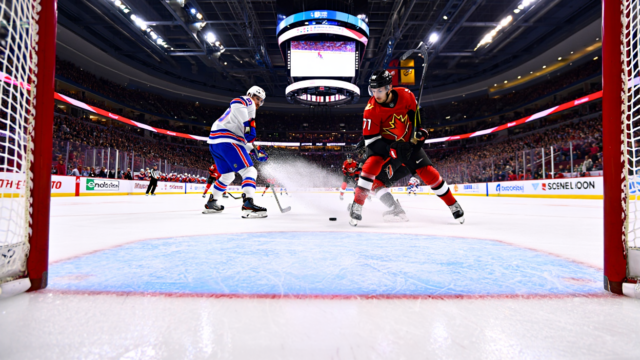

The United States Hockey League operates as a tier-one junior hockey circuit, producing players who advance to NCAA Division I programs and professional leagues. Founded in 1990, it has grown to include teams across the northern United States, making it increasingly visible to Canadian bettors. The league differs fundamentally from professional circuits like the NHL-games carry different intensity levels, roster composition changes more frequently as players graduate or move to universities, and team performance can fluctuate dramatically mid-season.
Canadian sportsbooks have expanded their USHL coverage significantly over the past five years. Major operators like DraftKings Canada, BetRivers, and Proline+ now offer regular wagers on conference matchups, playoffs, and championship finals. This expansion reflects growing interest among Canadian bettors who follow young talent development closely and recognize value opportunities that mainstream sportsbooks overlook.
Why the USHL Matters to Canadian Bettors
USHL rosters feature numerous players from Canada. Teams like the Sioux City Musketeers, Omaha Lancers, and Lincoln Stars attract talented teenagers from British Columbia, Ontario, and Quebec who plan eventual moves to NCAA or professional hockey. Canadian bettors often possess detailed knowledge about these prospects, creating information advantages. A bettor familiar with junior development in the GTA might understand roster mechanics and player trajectory better than oddsmakers setting lines.
Game outcomes carry less predictability than NHL contests. A key injury to a prospect earmarked for a top college program might not immediately reflect in betting odds, while the player’s absence fundamentally alters team chemistry. Roster turnover during the season compounds this unpredictability. Teams lose players to universities mid-season when recruitment cycles conclude, typically in November and December.
The scoring environment skews higher than professional hockey. USHL games average 6-7 total goals compared to the NHL’s 5.5. Defensive structures remain developing at the junior level, goaltending consistency varies sharply, and penalty-taking patterns differ from NHL norms. Over/under bets must account for these structural differences rather than applying professional hockey benchmarks.
Regulatory Environment for USHL Betting in Canada
Canadian provinces regulate sports betting through separate licensing frameworks. Ontario’s iGaming Ontario platform and BC’s PlayNow accept USHL wagers on licensed sportsbooks. Alberta’s platforms through the Alberta Gaming and Liquor and Cannabis Commission follow similar structures. The key requirement involves using provincially licensed operators-unregulated offshore sites accept Canadian players but fall outside legal protection frameworks.
Provinces like Quebec, Manitoba, and Saskatchewan maintain their own regulatory bodies overseeing legal betting operators. Each maintains lists of approved sportsbooks. Betters should verify their specific province’s regulations before wagering. The federal Criminal Code permits provinces to authorize sports betting operators, and most have done so comprehensively.
USHL teams hold no official partnership agreements with North American sportsbooks comparable to NHL agreements. This creates a somewhat arms-length relationship where books set odds based on market demand rather than official data sharing. It also means less uniform odds across platforms, creating arbitrage opportunities for knowledgeable bettors who shop multiple sportsbooks.
Types of USHL Wagers Available
Moneyline betting forms the foundation of USHL wagering. Betters select which team wins the game straight up. Odds reflect both team quality and public perception. An underdog USHL team might carry +180 odds while the favored opponent sits at -220. These gaps sometimes exceed NHL differentials because public betting concentrates heavily on a smaller subset of teams-namely perennial powerhouses like the Chicago Steel and Cedar Rapids RoughRiders.
Spread betting in the USHL typically operates at 1.5 goals. A -1.5 spread means the favored team must win by two goals for a spread bet to cash. The juice on USHL spreads runs higher than professional leagues, often at -120 on both sides, because sportsbooks carry greater uncertainty about true point differentials. This higher juice should factor into spread betting decisions-the break-even win rate on a -120 spread is 54.5%, making consistency essential.
Over/under totals rarely appear on every single USHL game, unlike NFL or NBA wagering. Major markets between recognized strong programs generate total lines. A typical total might sit at 5.5 goals with odds around -120 on both sides. Given the league’s higher-scoring nature compared to the NHL, bettors should avoid assuming totals operate under identical logic to professional contests.
Props and futures markets appear sporadically depending on book availability. A Canadian sportsbook might offer props on playoff tournament outcomes or seasonal award winners-goals scored by leading prospects, for instance. Futures bets on playoff tournament winners create longer-term wagering opportunities spanning weeks. These rarely appear with the frequency or variety of NHL props.
Key Factors Affecting USHL Game Outcomes
Roster turnover directly impacts team performance in ways unique to junior hockey. When a team loses its leading scorer to a university commitment mid-season, that absence fundamentally restructures offensive output. BetRivers and other operators don’t always adjust lines rapidly following roster changes. Bettors who monitor junior recruiting sites and USHL team announcements gain meaningful advantages.
Goaltending depth influences outcomes heavily. Professional teams maintain consistent starting goalies across seasons. USHL rosters sometimes feature first-year goalies learning the position against experienced starters. A team might split starts between a prospect destined for the NHL and a backup committed to Division III. Understanding which goalie starts a particular night matters substantially.
Travel schedules create fatigue patterns. The USHL maintains divisions across multiple states-the Eastern Conference stretches from Ohio to Michigan, while the Western Conference spans from Nebraska to Iowa. Teams undertaking long road trips sometimes display measurable performance drops. A Sioux Falls Stampede team traveling to Youngstown faces a 14-hour bus journey; the Youngstown Phantoms hosting that matchup carries built-in advantages.
Rivalry games carry volatication factors beyond talent differentials. The Chicago Steel-Waterloo Black Hawks matchup generates intensity that fundamentals alone don’t explain. Playoff implications, bragging rights, and familiar opponents all influence performance beyond statistical models. Public betting sometimes overvalues rivalry narratives, creating contrarian opportunities.
Finding Value in USHL Betting Markets
Sportsbooks price USHL lines based on limited public interest compared to NCAA Division I hockey or professional leagues. This creates inefficiencies. A Dubuque Fighting Saints matchup might receive 10% of the betting volume that an Iowa college game generates, yet oddsmakers price it using tighter margins. Bettors with genuine insights about team composition or player performance sometimes find favorable odds before sharp money adjusts them.
Comparing lines across sportsbooks reveals variance greater than professional hockey. DraftKings Canada and BetRivers might differ by 0.5 points on a USHL total, while they track nearly identically on NHL contests. Shopping multiple books becomes essential. A bettor with accounts at three licensed Canadian operators positions themselves to identify these differences.
Tracking public betting trends through books’ promotional releases sometimes indicates soft pricing. If a book promotes significantly discounted odds on a particular USHL team, sharp money hasn’t yet arrived. Early action captures value before the line moves toward fair odds.
Bankroll Management for Junior Hockey Wagering
USHL betting should occupy a small percentage of a sports betting bankroll. The league generates legitimate research opportunities for interested bettors, but volatility exceeds professional leagues. A bettor allocating 20% of their hockey budget to USHL plays while maintaining 80% on NHL and college contests maintains appropriate risk balance.
Unit sizing reflects uncertainty. While a high-confidence NHL bet might warrant a 1.5-unit stake (where one unit equals 1% of total bankroll), the same confidence level in USHL merits 1-unit bets. The league’s greater information asymmetries justify caution.
Variance management requires patience. USHL seasons run roughly 54-58 games per team, shorter than professional schedules. A small sample of bets can produce misleading results. A bettor pursuing USHL opportunities should commit to at least a full season (September through March playoffs) before evaluating strategy success.
Resources for USHL Betting Research
The official USHL website (ushl.com) maintains complete schedules, standings, and player statistics. Team rosters update regularly, allowing bettors to track lineup changes affecting performance. Game recaps provide narrative context beyond simple score lines.
EliteProspects and Hockey-Reference maintain detailed USHL historical data including season records, individual scoring totals, and head-to-head matchup histories. These sites enable pattern identification across seasons. A bettor examining the Fargo Force’s performance in games following long road trips discovers performance trends invisible in casual observation.
Scout rankings published by major recruiting services indicate player talent trajectories. A prospect trending upward toward NHL projection gains confidence in their team’s likelihood to win close contests. Conversely, declining projections suggest reduced motivation or skill gaps widening.
Team social media accounts and beat reporters covering specific franchises provide real-time injury updates and line-change information. Twitter accounts run by Sioux City Musketeers staff or Des Moines Buccaneers beat writers communicate roster developments immediately, sometimes before official announcements. Following team-specific sources creates information advantages.
Playoff Betting Strategies for the USHL
USHL playoffs employ a best-of-three format in early rounds, escalating to best-of-five in later stages. Series betting carries different mathematics than individual game wagers. A -150 favorite in a best-of-three has roughly 60% series-win probability under neutral assumptions, higher when considering home-ice advantage clusters at season’s end.
Playoff intensity increases dramatically. Regular season games between non-contenders sometimes lack urgency; playoff contests demand maximum effort. Teams with deeper, more talented rosters convert playoff intensity into results more consistently than during regular season stretches. This favors betting on depth and talent in playoff matchups.
Coaching becomes more influential. A coach maximizing out-of-tournament performance sometimes struggles in playoff structures with limited game flexibility. Another coach implements tactical adjustments and lineup manipulation excelling in series play. Historical playoff performance by coaching staffs provides valuable context.
Common USHL Betting Mistakes
Overvaluing brand recognition leads bettors to favor perennial powerhouses beyond their actual strength in specific matchups. The Chicago Steel generate public betting attention due to historical success, sometimes causing oddsmakers to shade lines in their direction. Contrarian bets against overlaid favorites create long-term value.
Assuming USHL totals mirror professional hockey creates systematic errors. Bettors accustomed to betting NFL or NHL contests transfer those frameworks to junior hockey without adjustment. The higher-scoring junior environment requires distinct total-line strategies. Over bets on USHL games carry better odds than the same approach applied to the NHL.
Ignoring roster changes produces consistent losses. A team loses its franchise scorer to university commitment, oddsmakers adjust the line one-half to one point, yet the actual impact exceeds the adjustment. Bettors maintaining discipline around roster knowledge consistently capture value.
Chasing losses through increased USHL bet sizes represents a significant risk. The league’s natural volatility means downswings occur. Betters must maintain unit discipline regardless of recent results.
Starting Your USHL Betting Journey
Select a provincially licensed sportsbook serving your region. Ontario residents access iGaming Ontario platforms including DraftKings, BetRivers, and PointsBet. British Columbia residents use PlayNow. Alberta and Saskatchewan maintain their own approved operators. Verify your province’s regulatory body website for current lists.
Create accounts at multiple licensed operators to enable line shopping. Deposit modest initial amounts-USHL betting produces learning opportunities, not immediate profits. Treat early seasons as research investment rather than profit expectation.
Develop a tracking system for bets placed. Record the date, teams, bet type, odds, reasoning, and result. This simple process reveals which approaches generate value over time. Bettors without tracking systems cannot distinguish luck from genuine edge.
Spend several weeks observing games without wagering. Understand team tendencies, roster compositions, and coaching philosophies. The league deserves serious study before financial commitment.
The USHL presents genuine opportunities for Canadian bettors willing to invest time understanding junior hockey dynamics. Success requires specific knowledge, disciplined bankroll management, and patience through inevitable variance. Those who approach USHL betting as a specialized niche rather than a quick-profit channel often discover worthwhile edges unavailable in more heavily researched professional leagues.