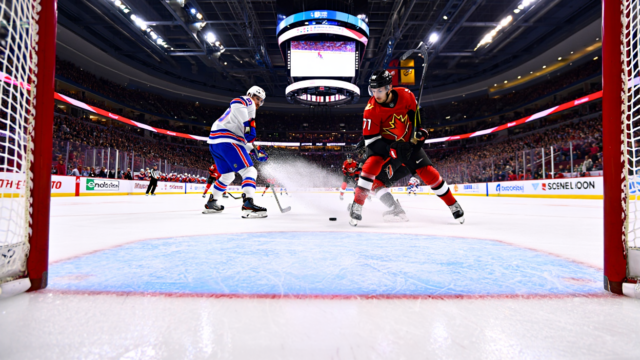

The Stanley Cup Playoffs consist of four rounds: the First Round, the Conference Semifinals, the Conference Finals, and the Stanley Cup Finals. Each team that finishes in the top eight of their conference qualifies, creating a best-of-seven series format where the first team to win four games advances. This structure means playoff betting spans from April through June, giving bettors nearly three months of opportunities across multiple matchups.
The First Round features the top eight seeds from each conference, and wild card teams entering as lower seeds often bring hunger and motivation that favorites underestimate. This volatility creates attractive betting opportunities for those willing to research team dynamics and recent form.
Legal Betting Platforms in Canada
Canadian bettors can place wagers through provincial regulated sportsbooks and licensed online operators. Each province manages its own gambling regulations, though most allow betting on NHL playoffs through both physical sportsbooks and online platforms. Major operators like DraftKings, BetMGM, and Bet365 operate under provincial licenses, ensuring consumer protection and responsible gambling measures.
Ontario’s iGaming market opened in 2022, making it one of Canada’s largest regulated jurisdictions. Bettors in Ontario can use multiple operators simultaneously, creating competition that drives better odds and promotions. British Columbia’s PlayNow operates exclusively but offers comprehensive NHL coverage. Quebec residents access the Loto-Quebec platform, while Alberta has seen expansion through platforms like NorthStar Bets.
Before registering, verify your province’s approved operators on the official provincial gaming authority website. This ensures you’re betting legally and that your funds remain protected.
Types of NHL Playoff Bets
Moneyline bets represent the simplest form of playoff wagering. You pick which team wins the game, regardless of margin. During the playoffs, moneylines shift dramatically based on injury reports and home-ice advantage. A team missing a top defenseman might swing from -110 to -130 or worse, reflecting the impact on their chances.
Series bets let you wager on which team advances from a best-of-seven matchup. These differ fundamentally from single-game bets because they account for the entire series outcome. A team favored at -150 in Game 1 might be -200 to win the series, accounting for the advantage of playing multiple games.
Spread betting in hockey uses goal totals rather than point spreads. The favorite is listed with a negative puck line (like -1.5 goals) while the underdog gets a positive line (+1.5). In the 2023 Stanley Cup Playoffs, Edmonton’s Game 1 spread against Dallas was -1.5, meaning you’d need them to win by two or more goals for your bet to cash.
Over/Under totals focus on combined goals from both teams. Playoff totals tend to be lower than regular season lines because defensive intensity increases. The Stanley Cup Finals typically feature totals in the 4.5 to 6.0 range, compared to regular season lines around 5.5 to 6.5.
Prop bets on individual players have exploded in popularity. You can wager on specific players scoring, recording assists, or even getting penalties. Connor McDavid typically has the highest “player to score” odds in any series he plays because bookmakers account for his elite talent.
Futures bets let you pick Stanley Cup winners before the playoffs begin or during them. Early futures offer longer odds because uncertainty is highest. A team at 8/1 odds before the playoffs might reach 3/1 if they win their first series, reflecting their improved chances.
Stanley Cup Favorites and Betting Odds
The Stanley Cup Finals betting process begins with teams closing the regular season. Teams with elite goaltending and balanced scoring typically carry the lowest odds. The Colorado Avalanche won at 8/1 odds in 2022, while the Vegas Golden Knights entered at 6/1 in 2023 and went on to win the Stanley Cup that year.
Road to the Cup odds change constantly as injuries mount and teams play. A team favored at 2/1 before playoffs might shift to 5/1 after losing a starting goaltender. The 2024 Stanley Cup favorites included Edmonton (9/2), Colorado (6/1), and Las Vegas (7/1), with each team’s odds fluctuating weekly based on regular season positioning and trade deadline moves.
Injuries reshape betting markets faster than any other factor. When Colorado’s Cale Makar suffered an injury in 2023, their odds lengthened from 9/1 to 12/1 within hours. Conversely, acquiring a strong playoff performer at the deadline can shorten odds by several points.
Key Factors for Playoff Betting Success
Goaltending dominates playoff outcomes more than any statistical category. Teams with two capable goaltenders can rest one during regular season games, keeping them sharp for playoffs. A goalie with a .930 save percentage in playoffs has won at a drastically higher rate than one at .920 because single goals determine best-of-seven series.
Recent performance matters more than season-long records. A team that finished fourth but won 60% of their games in the final 20 games is sharper than a division winner that played inconsistently. Check rolling statistics from March and April before placing bets on April matchups.
Home-ice advantage typically delivers one extra win across a seven-game series, worth approximately 55% probability for the home team in individual games. In a best-of-seven where one team has home-ice, they win roughly 60% of the time statistically.
Defensive depth becomes visible only in playoffs. Forward depth matters less because fourth lines get minimal playing time. Instead, teams with three strong defensive pairs vastly outperform teams with one elite pairing and weaker depth. Buffalo’s inconsistent betting performance from 2018-2023 directly correlated with defensive depth variations.
Back-to-back games heavily influence betting lines but not always correctly. The team playing their second game in two nights does suffer fatigue, but the opening line often overcompensates. Bettors frequently find value on the rested team when that team is already favored, as the line inflates the advantage beyond its actual impact.
Playoff Betting Strategies
Betting against public perception generates edge in early rounds. Roughly 75% of casual bettors back the top seed, regardless of matchup details. When the eight seed plays the one seed, underdogs get plus money even when defensive stats suggest they’re more evenly matched than the seed differential implies.
Fade teams playing on short rest when possible. A team playing their third game in four nights faces measurable disadvantages in skating speed and decision-making. Sportsbooks sometimes underprice opponents facing this situation, creating value bets.
Track goaltender workload throughout the regular season. Teams that give their starter 65+ games played rarely have sufficient backup development. Their playoff goaltender gets exhausted by Game 4 of the Finals, often showing worse save percentages in later games. Edmonton rode Connor McDavid’s excellence to the Finals in 2024 partly because backup goaltending crumbled under heavy playoff workload.
Series-over-game approach reduces variance if you have stronger predictive skill. Betting a seven-game series outcome forces you to forecast winner accuracy, which compounds advantages better than picking individual games. If you’re accurate 55% of single games, you’re profitable on single bets. Series bets require that same 55% accuracy to generate even stronger edges.
Use line movement as information. If a team opened at -130 and is now -145, sharp money is backing them. This doesn’t mean they’ll win, but it signals that professionals identified value differently than opening markets did.
Managing Your Betting Bankroll
Set aside a specific amount for playoff betting, separate from regular season funds. The Stanley Cup Playoffs span two months with multiple series simultaneously, creating numerous betting opportunities. Betting 1-2% of your bankroll per wager keeps individual losses manageable even when you experience normal variance swings.
Record every bet you place, including date, teams, bet type, odds, and stake. At the end of the playoffs, calculate your return on investment. Most successful bettors hover between 52-58% accuracy at 110 odds, generating 3-7% profit on total amount wagered. If you’re below 50%, you need to either improve selection or reduce bet sizes.
Avoid chasing losses during the playoffs. The temptation to bet larger after losses is strongest during concentrated playoff periods. Instead, stick to your predetermined unit size regardless of recent results.
Common Playoff Betting Mistakes
Overweighting regular season records creates systematic errors. A team that finished second but won every game in March is different from one that started strong but faded. Look at last-ten-games records instead of full-season statistics.
Betting emotionally on your favorite team leads to worse decision-making. Fans unconsciously bet larger on teams they follow, which statistically underperforms because bias clouds judgment. If you must bet your team, reduce your usual unit size by 50%.
Ignoring backup goaltenders costs money when starters get injured. The team whose second-string goaltender has playoff experience vastly outperforms teams with unproven backups. Vegas succeeded in 2023 partly because Adin Hill stepped up as an experienced option when needed, giving them depth the Finals opponent lacked.
Betting the entire first round without clear edges dilutes returns. Concentrate capital on matchups where you’ve identified specific advantages, rather than distributing bets across all eight series.
Final Thoughts on Stanley Cup Betting
Successful NHL playoff betting requires understanding team construction beyond standard statistics. Goaltending, defensive depth, home-ice advantage, and recent momentum combine to create outcomes that transcend individual player talent. The Stanley Cup Playoffs’ concentrated format amplifies these factors compared to regular season play, creating distinct betting opportunities for informed bettors.
Start with small stakes while learning how playoff dynamics differ from regular season games. After tracking your results across one full postseason, you’ll understand which factors your analysis weights correctly and which deserve adjustment.